
Bottom line first: From the mid-autumn and winter holidays through year-end reviews, Q4 is the densest stretch of the year for employee rewards and marketing incentives. Overseas eGift cards (Apple / Amazon / Target, across US / UK / Japan / Hong Kong and other regions) are among the most efficient reward formats for this season — codes arrive instantly, denominations are flexible, there are no employee bank details to collect, and no shipping delays or physical card losses. The whole workflow is four steps: set the budget and denomination tiers → pick cards by each recipient's region → buy in bulk and deliver one-to-one → keep records for reconciliation. For cash rewards to remote teams and overseas partners, use PayPal Payouts for batch distribution instead.
1. Why eGift cards should top your year-end rewards list
Put the four common delivery methods side by side and the trade-offs are obvious:
| Method | Delivery speed | Shipping / loss risk | Info to collect | Best for |
|---|---|---|---|---|
| Overseas eGift cards | Instant (codes) | None | Email or IM handle only | Employee rewards, marketing incentives, client appreciation |
| Physical gift cards | 3–10 days | Yes — parcels can go missing | Shipping address | Offline events, in-person awards |
| Platform points / red packets | Instant | None | Platform account linking | Spending inside one ecosystem |
| Cash / bank transfer | 1–3 days | None | Bank account, identity details | Cross-border teams, supplier settlements |
Three advantages matter most at year-end: ① instant delivery — holiday shipping peaks are unpredictable, codes are not; ② denomination flexibility — the same card brand runs from $5 to several hundred dollars, making budgets easy to slice; ③ minimal sensitive data — no bank accounts or ID documents to collect, which keeps your compliance and privacy burden low.
2. Three reward scenarios and the right card for each
| Scenario | Recommended cards | Denomination approach |
|---|---|---|
| Employee holiday / year-end rewards | Apple / Amazon / Target (match each employee's region) | Flat denomination for easy budgeting; Apple cards cover App Store, iCloud+, Apple Music and other subscriptions, while Amazon cards work on Amazon's own inventory — a combination that suits any preference |
| Sales / channel incentives | Apple / Amazon | Tiered denominations (e.g. $50 on target, $100 above target), delivered instantly to reinforce the win |
| Campaign prizes / new-customer incentives | Small-denomination Amazon / Apple cards | $5–$25, high frequency, tied to campaign rules — per-customer cost stays controlled |
One thing to confirm before buying anything: the recipient's region. Gift cards generally redeem only into accounts of the matching region (a US card into a US Apple ID or US Amazon account). Region mismatch is the single most common cause of failed redemptions.
3. The four-step workflow you can copy today
- Set the budget and denomination tiers: headcount × denomination gives the total; keep roughly 10% headroom. Express seniority differences through denomination, not through different card brands.
- Pick regions and brands: tally where your recipients' accounts live (US / UK / Japan / Hong Kong, etc.) and buy matching-region cards. When unsure, Apple or Amazon offer the broadest usable scope.
- Buy in bulk, deliver one-to-one: order in bulk on Nediya — pay with your local method, codes delivered instantly. Send each code privately to the recipient's email or IM, never in a group chat or a shared document — a code is as good as cash, and the first person to see it wins.
- Keep records for reconciliation: retain order records and a distribution log (recipient, time, denomination, last four digits of the code) so finance can reconcile and support can reissue.
4. Five pitfalls to avoid
| Pitfall | Consequence | How to avoid it |
|---|---|---|
| Wrong region purchased | Card cannot be redeemed; poor employee experience | Confirm each recipient's account region before ordering |
| Codes shared in group chats | Strangers redeem them first | One-to-one delivery; log only the last four digits |
| Overstating what the card can buy | Expectation gap and complaints | Denominations and scope follow the official page exactly |
| Framing rewards as returns or gains | Compliance risk | Describe face value and usage only; never promise returns |
| Manual per-person transfers for cash rewards | Slow, hard to audit | Use PayPal Payouts for cross-border batch distribution |
5. Cross-border cash rewards: PayPal Payouts
Not every reward should be a card. Bonuses for remote employees and fee settlements with overseas partners are cash-type payouts, and manual per-person transfers are slow and hard to reconcile. PayPal Payouts is PayPal's official batch payment product: one operation pays many recipients, and the official documentation notes a single batch can include up to 15,000 recipients, with a full audit trail. Its intended use cases are employee rewards, marketing incentives and supplier settlements.
A common combined approach: cards + cash, two tracks — in-region employees get eGift cards (instant, flexible), while cross-border teams and partners are paid via PayPal Payouts (compliant, auditable). The two flows never interfere.

6. FAQ
After we hand out the cards, can the company track redemption status?
Redemption happens inside the brand's official account system; the company cannot — and should not — see how employees spend the balance. Keep records at the distribution level only: recipient, time, denomination and the last four digits of each code.
Should we use flat or tiered denominations?
Flat denominations for company-wide holiday rewards — easier to budget and perceived as fair. Tiered denominations for sales and channel incentives, tied to performance targets. The two combine well: a flat base for everyone plus a top-up for top performers.
How do employees redeem the codes?
On the brand's official page or app: Apple cards are redeemed into an Apple account, Amazon cards into the gift card balance of an Amazon account. Include the official redemption link with every delivery — third-party redemption centers do not exist.
What is the most reliable way to pay cash rewards to overseas remote staff?
PayPal Payouts for batch distribution — suited to employee rewards, marketing incentives and supplier settlements: one operation, many recipients, full audit trail, no manual per-person transfers.
Do eGift card balances expire?
Rules vary by brand: balances on most major brands' cards do not expire, but available regions, denomination tiers and terms are subject to what the official page actually displays — verify on the brand's site before purchasing.
Sources
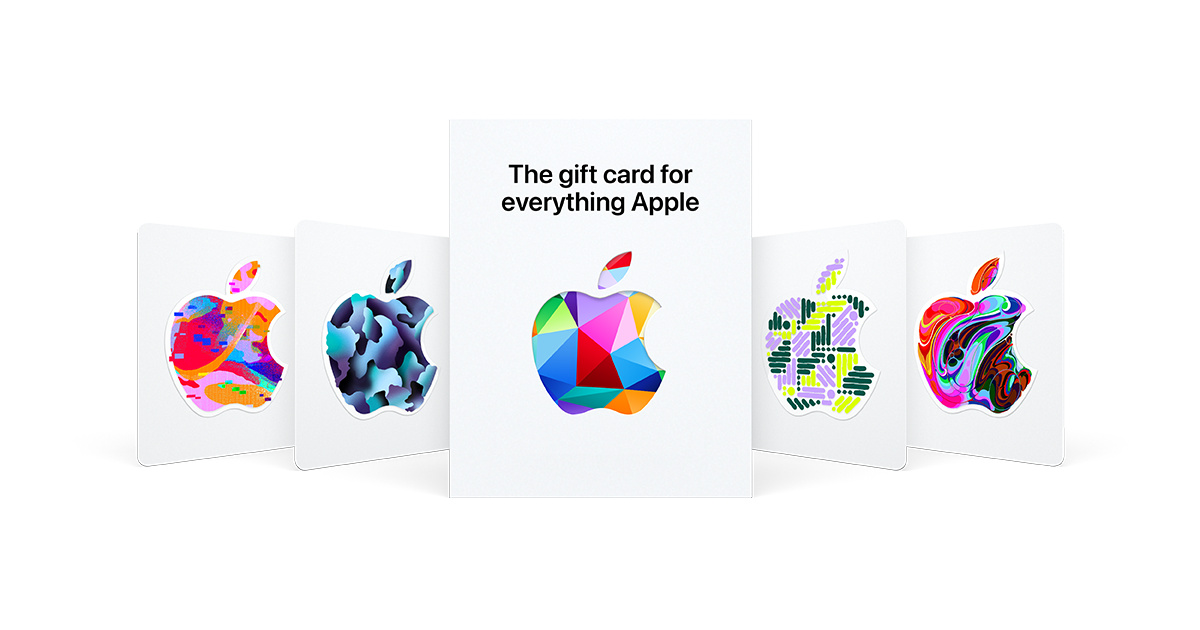
- Apple official: Apple Gift Card (The gift card for everything Apple)Official page (source of the image above)
- Amazon official: Gift Cards pageOfficial page
- Target official: Gift Cards pageOfficial page
- PayPal Developer Docs: Payouts (batch payments)Official docs