
Bottom line first: per Hindustan Times on September 30, Delhi Police dismantled a call centre impersonating Apple technical support and arrested seven people. Callers posing as Apple staff phoned US residents, claimed their devices were infected with viruses or contained inappropriate content, and tricked them into buying gift cards and handing over the redemption codes, which were then passed to associates. The essence of every such scam fits in one sentence: a gift card redemption code is cash — whoever holds the code holds the money, and it is nearly impossible to recover. As Apple’s official gift card scam page makes clear: Apple never asks you to pay bills or taxes with gift cards, and its support staff will never call to demand your redemption code. Whether you buy cards for yourself or distribute them as team rewards, the four rules below are worth memorizing.
1. The 48-hour recap: a call centre posing as Apple
Piecing together Chinese media syntheses and the original Indian reporting: the operation ran out of a building in Naraina Industrial Area Phase-2 in west Delhi, under the name “Veptra”. Acting on a tip received September 25, police raided the premises and arrested seven people, including the alleged owner (29) and his partner (28); a formal case was registered on September 26 covering cheating, impersonation and criminal conspiracy. A telling detail: all callers used Western aliases, and the seized laptops contained internet-calling tools, two remote-access applications, and call histories full of US numbers.
| Key fact | Detail |
|---|---|
| Location | Naraina Industrial Area Phase-2, west Delhi, operating as “Veptra” |
| Timeline | Raid on Sep 25, seven arrests, case registered Sep 26 |
| Targets | US residents (Western aliases; call logs packed with US numbers) |
| Script | Claimed devices had viruses or inappropriate content, induced victims to buy gift cards and surrender the codes |
| Seized | One Audi A3, five laptops, 12 phones, 10 credit/debit cards, five cheque books, two routers, six headsets |
| Ongoing | Police are tracing gift card transactions and the money trail; victim count and losses not yet disclosed |
According to a cross-checked roundup of three Indian outlets, the same wave of action also covered a second call centre impersonating Amazon support, bringing total arrests across the two raids to 12. Big-brand impersonation plus gift card harvesting is the standard combo of cross-border call-centre fraud — and Apple is not the only brand being borrowed.
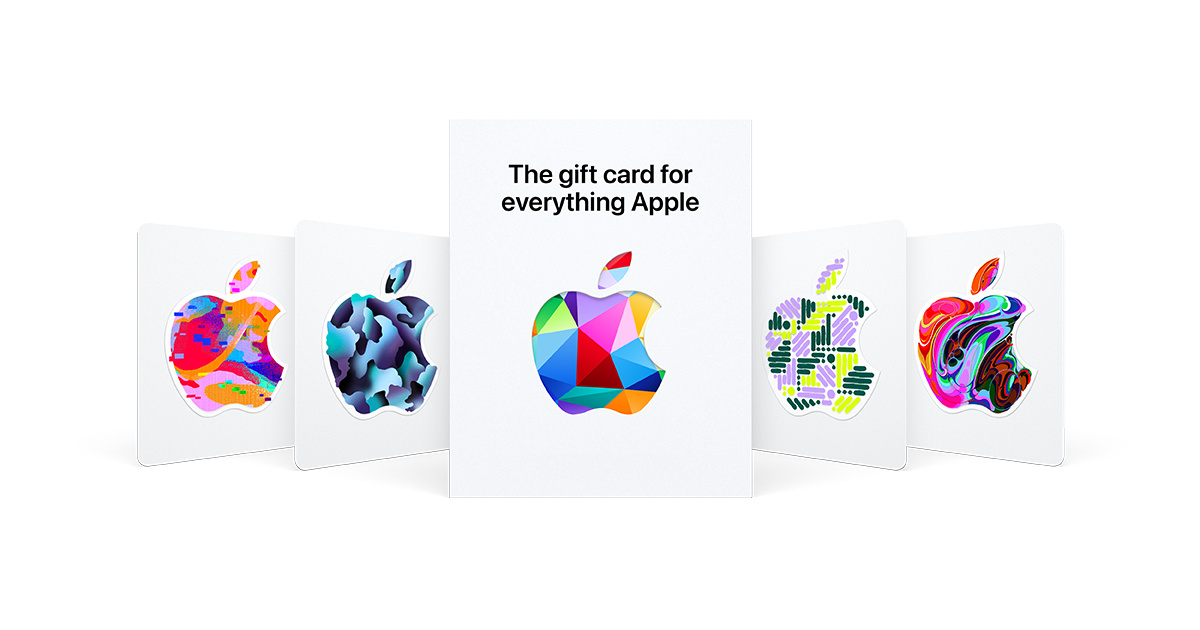
2. The playbook: gift card scams follow five fixed steps
Per Apple’s official “About gift card scams” page, no matter how the story is dressed up, these scams follow a near-identical script:
| Step | Scammer move | This case |
|---|---|---|
| 1. Contact | Reach you by phone, text, email or social media | Cold calls to US residents posing as Apple support |
| 2. Pressure | Create panic and urgency (viruses, rule-breaking content, locked accounts) | Claimed devices were infected or contained inappropriate content |
| 3. Redirect | Request payment via gift cards | Talked victims into buying gift cards to “fix” the issue |
| 4. Escort | Guide you through the purchase with precise instructions | Remote-access software standing by during the call |
| 5. Harvest | Demand the redemption code | Codes passed to associates and monetized fast |
3. Individuals: four rules that keep your codes safe
- A code is cash — never share it. Real Apple support staff will never call to ask for your redemption code. If a stranger asks for the card number or code for any reason (refunds, unblocking, verification, warranty), refuse. Apple’s own page says not to share the numbers on the back of a card with anyone you don’t know well.
- Buy only from official or reputable channels. Order through official stores or established platforms such as Nediya, where orders and codes stay visible in your account. Redeem codes yourself immediately after purchase — never let a stranger “do it for you”, and never display card details inside remote-screen-sharing apps.
- Caller ID and websites can be faked. Displayed numbers, official-looking pages and ticket numbers are all spoofable. If someone claiming to be Apple, Amazon, Microsoft or your bank calls, hang up and contact the company through its official channels. Remember: no government agency or utility accepts gift cards as payment.
- If you already lost a code, act fast. Contact the issuer and official support immediately, and report to police (US users can file a complaint with the FTC). Speed determines whether anything can be salvaged — but in most cases the funds are already gone, which is why prevention beats remediation every time.
4. Teams: ship an anti-fraud note with every reward
For companies using overseas eGift cards for employee rewards and marketing incentives, this case carries a direct lesson: after the cards go out, your employees can become the next targets of fake-support calls. Four practices that work:
- Attach a one-paragraph anti-fraud note to every distribution: make it explicit that neither the company nor the card platform will ever ask for redemption codes back, by phone or otherwise.
- Distribute via a system, not chat groups: register a Nediya account to place self-serve bulk orders and track each card’s delivery and redemption status in the dashboard — keeping codes out of group chats where they can be screenshotted and leaked.
- Handle unclaimed cards promptly: cards left unredeemed past their window can be recalled or refunded — protecting both the budget and any codes still sitting unused.
- Use PayPal Payouts for cash-style rewards: suited to employee rewards, marketing incentives and supplier settlements, with funds delivered directly to each recipient’s PayPal account — no interceptable codes involved.
For the full bulk-distribution workflow, see our earlier playbook Year-End Employee Rewards: A Complete Guide to Bulk Distribution of Overseas eGift Cards; for the individual buying and redemption walkthrough, see How to Buy Apple Gift Cards in China to Subscribe to ChatGPT Plus.

5. FAQ
What is a gift card redemption code scam?
Scammers impersonate official support (Apple, Amazon, banks, government agencies), manufacture panic, then ask you to buy gift cards and read out the code on the back. A code equals cash — once surrendered it is monetized almost instantly and is nearly impossible to recover.
Does Apple ever ask you to pay with gift cards?
No. Apple states plainly that Apple Gift Cards can only be used for Apple products and services; bills, taxes and government fees cannot be paid with them, and Apple support will never call to demand a redemption code. Any such request is a scam.
What should I do if my code is already stolen?
Contact the issuer and official support immediately to try to freeze the card, and report to police (US users can file with the FTC). Funds are usually drained within minutes, so recovery rates are low — prevention, meaning never sharing codes with anyone, matters most.
How do I spot fake “Nediya support” when buying on Nediya?
Nediya handles orders and delivery through its website account system, where orders and codes stay visible in your dashboard. Anyone calling themselves Nediya support and asking for your purchased code, screen sharing or guided refunds is a scammer — in the legitimate flow you never need to hand your code to anyone.
How can companies protect employees when distributing gift cards in bulk?
Include an anti-fraud note with every distribution; send and track cards through the platform dashboard instead of pasting codes into chat groups; recall or refund cards that go unredeemed. For cash-style rewards, PayPal Payouts delivers funds directly with no codes to intercept.
Sources
- Hindustan Times: Fake Apple tech support call centre that duped US residents busted in Delhi (location, seven arrests, seized items, charges, DCP statement)Sep 30, 2026
- Xinhua wire (via NetEase): India dismantles fake Apple customer-service centre targeting Americans (Sep 25 raid, script, seized list)Sep 30, 2026
- Tencent News: Indian gang posing as Apple support tricked US victims with virus and content claims (script details and investigation direction)Oct 1, 2026
- The Balanced News: Delhi Police Bust Two Fake International Tech Support Call Centres, Arrest 12 (includes Amazon-impersonation centre; verified across Hindustan Times / News18 / The Tribune)Sep 30, 2026
- Apple Support: About gift card scams (usage limits, never share codes, the five-step scam pattern)checked Oct 3, 2026 (source of the image above: Apple gift card page)
- FTC: Avoiding and reporting gift card scams (consumer guidance)checked Oct 3, 2026
- Nediya product page: overseas eGift card categories and denominations